
Science that stands beside you.
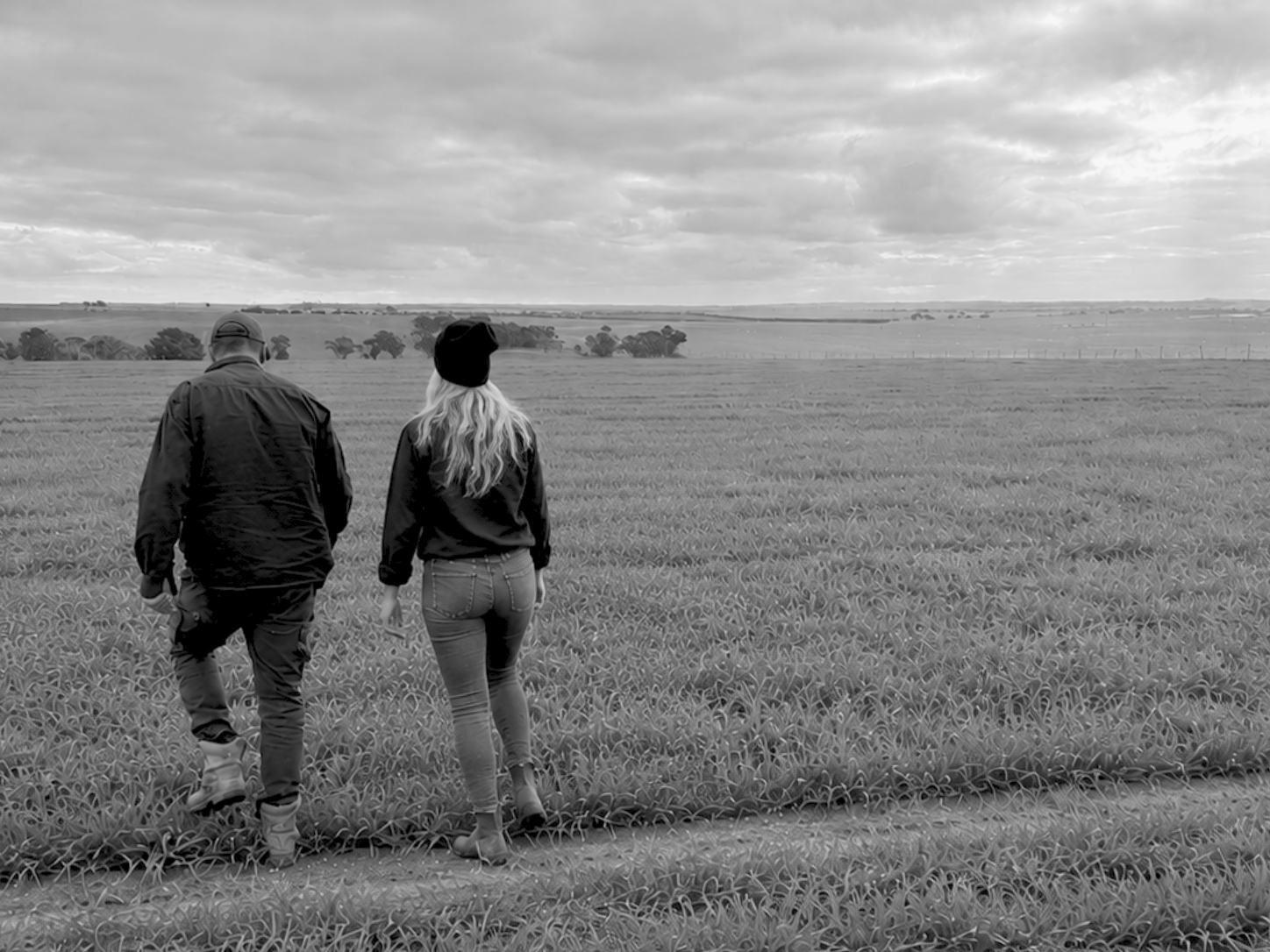
Common Ground Agriculture is a specialist soil and agricultural science practice working with farmers, agronomists, product and project developers, researchers, and government bodies.
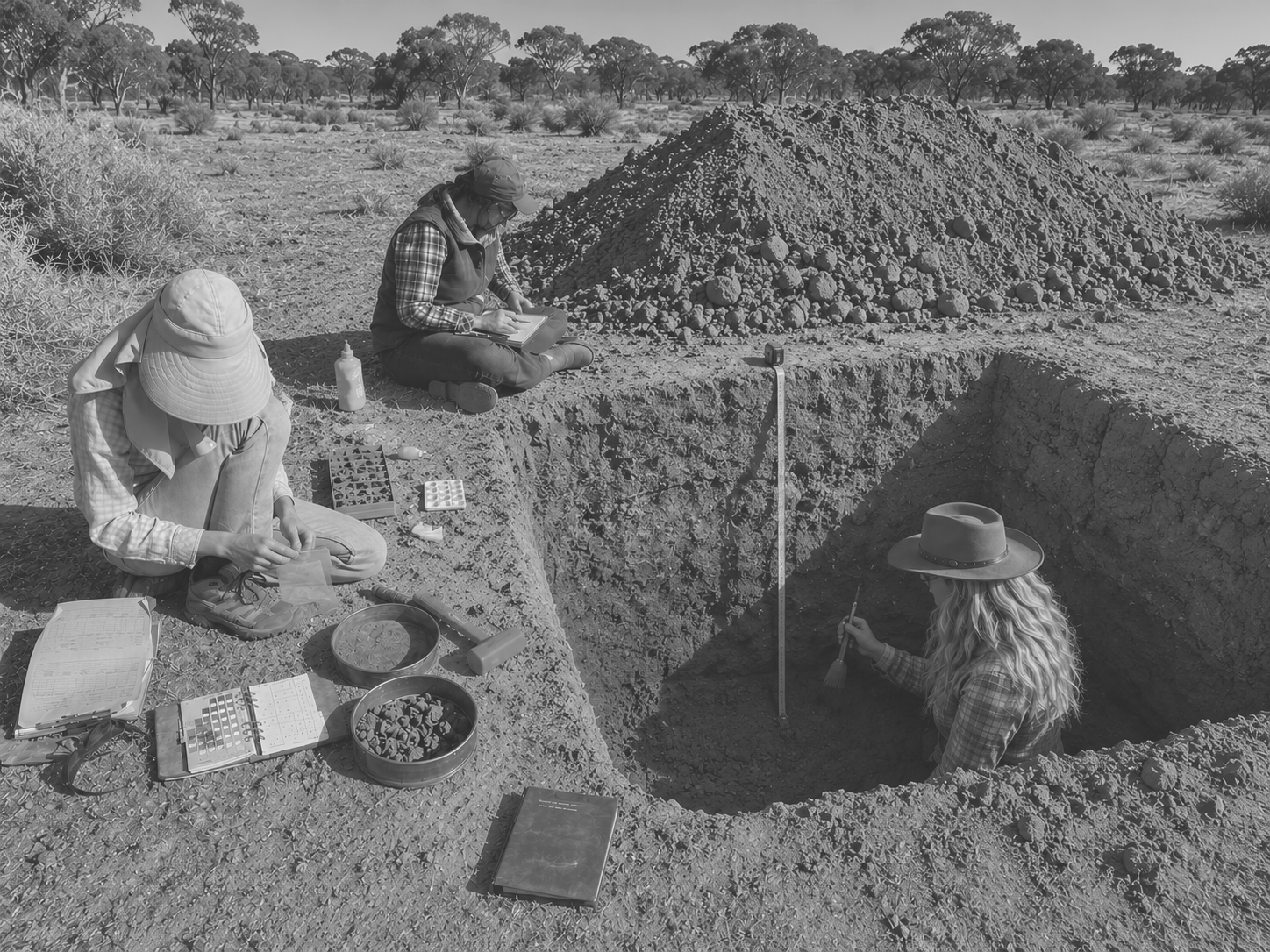
You’ll find us in the paddock, on the seeder or the header, in the lab and throughout the season, working out what is limiting soils, crops and production systems. We test management decisions thoroughly: crunching the data, and building a clear, evidence-based picture of what is driving — or limiting — productivity and land condition.
Our work is scientifically sound, commercially practical, and grounded in the realities of farming.
We make soils and farming systems work more efficiently for producers, so they can put less in, and get more out.
Meet Dr Kirsten Ball
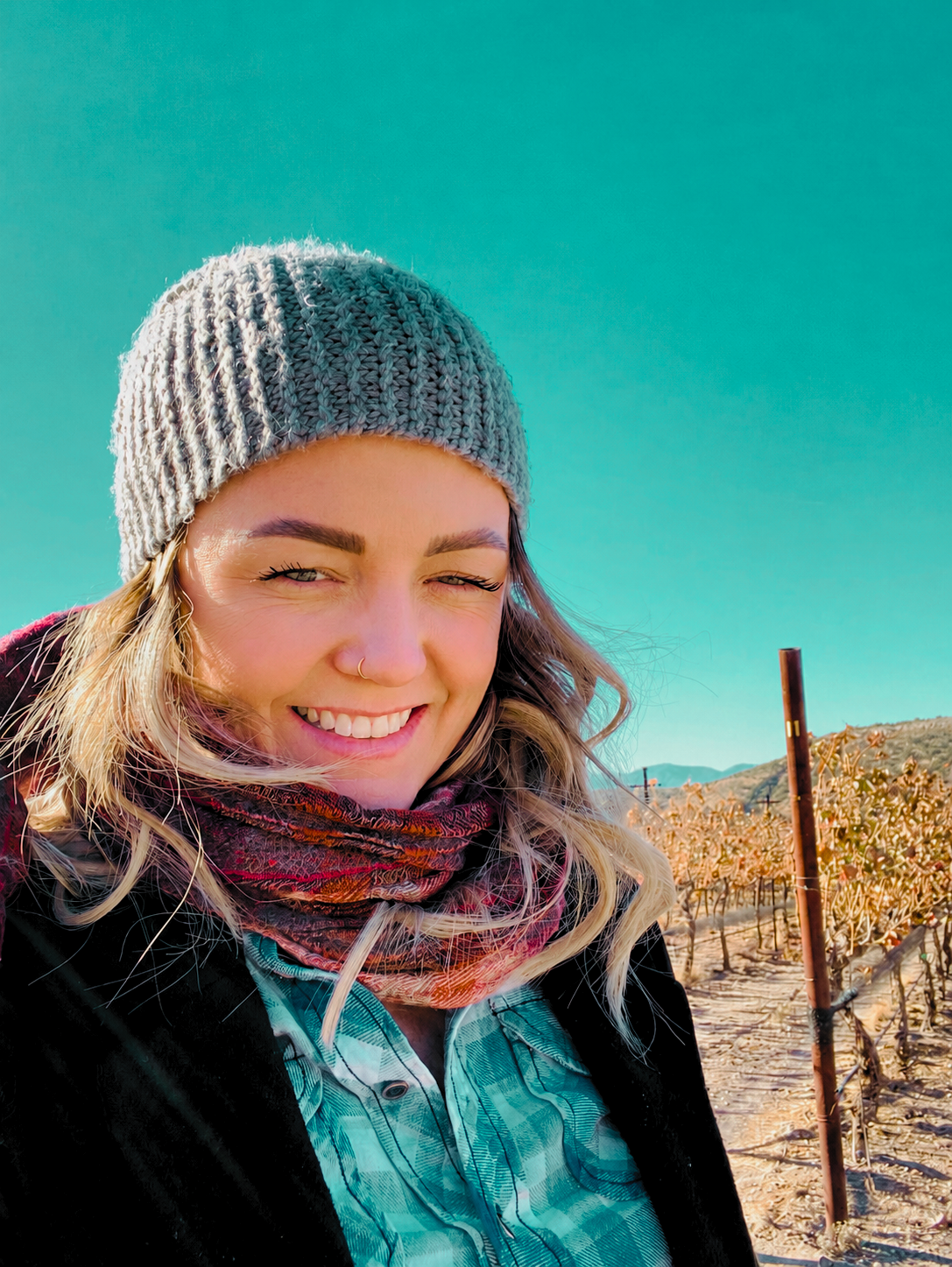
Kirsten founded Common Ground Agriculture to bring rigorous soil science and support to the farmer decision-making process, over the long-term. She is an applied soil biogeochemist — and, as one WA agronomist put it, "one of few scientists I've met who can actually explain things to farmers."
Her focus is on the ground: diagnosing the soil constraints that quietly limit productivity — acidity, sodicity, compaction, aluminium toxicity, salinity, non-wetting — and designing practical ways to fix them. These are structural problems that compound season on season, and getting the right treatment working within a commercial operation is the core of what she does.
Her experience spans Australia, the United States and Europe: from arid-zone soil health research in Arizona, to organic amendment and soil carbon research in Washington State, to calcareous and alkaline systems across Spain and the U.K., to constrained broadacre cropping across the WA grain belt. She's also worked in viticulture, tree fruit, horticulture, pasture, rangelands and mixed farming systems. Hands-on experience across that many climates, soils, and systems means she reads soils farm by farm, context by context.
Behind that practical experience sits deep technical grounding and work at the policy level. Kirsten holds a PhD in Plant & Soil Science from Western Sydney University and the University of Aberdeen, a current Adjunct Faculty appointment at Washington State University, and a Horizon Europe Marie Curie Fellowship. She has worked with U.S. government agencies, authored tabled legislative reports, and provided expert technical advice on Australia's soil carbon method.
Kirsten’s full publication list is available on request.
Most companies in the agricultural industry stay in one lane: agronomy, or field trials, or research, or land management projects, or policy, or training.
We work across all of them, because the connections between them are where the useful work happens.
We do things differently
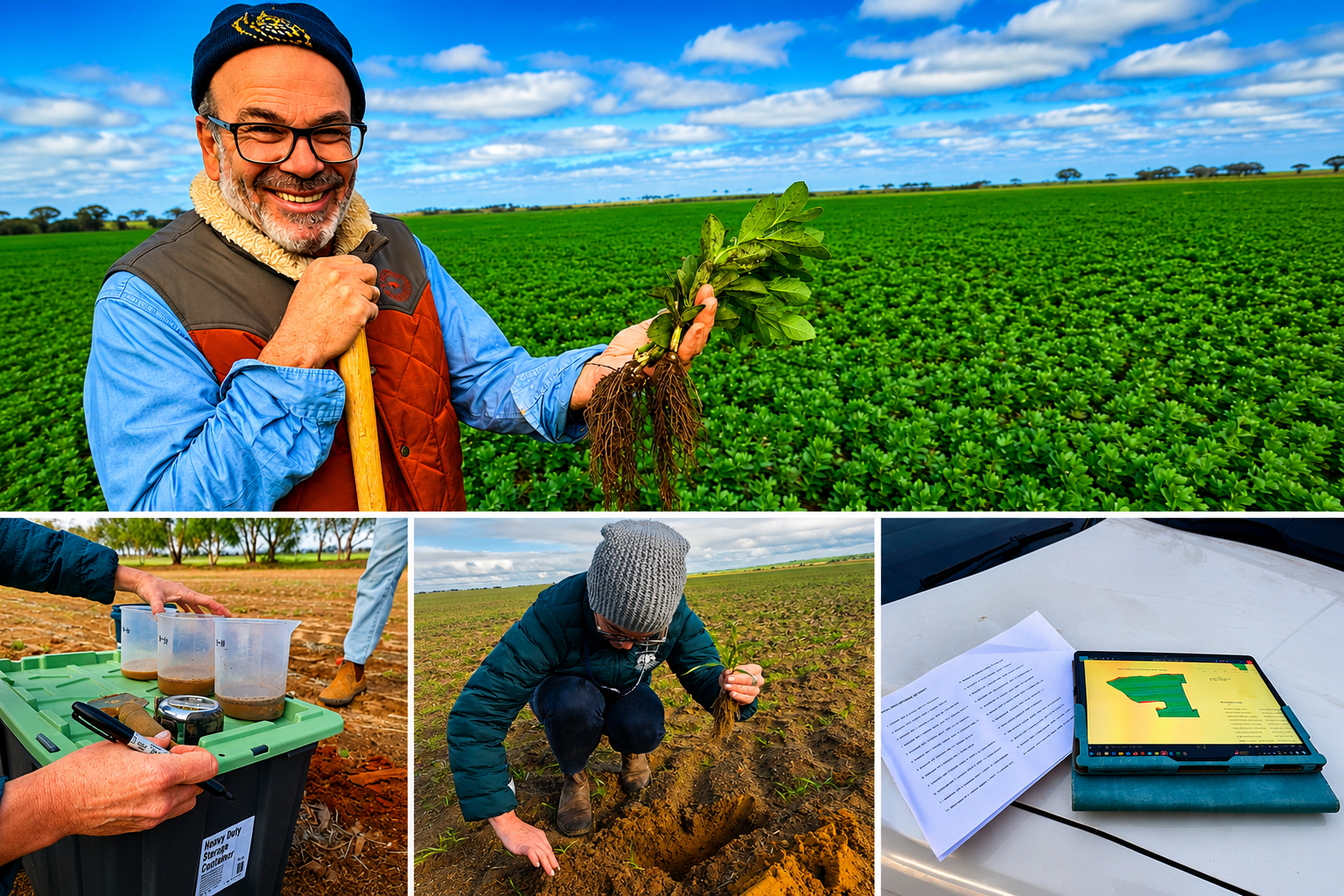
Before recommending anything: A product, a practice, or a management change, we're clear about what the evidence supports, and where it falls short.
We design and run our own field trials, from grower partnerships through to data collection and interpretation
We take on-farm observation as seriously as controlled trial data, and we're clear about which is which
We look above, and below ground for solutions to your problems
We assess what the evidence supports before we recommend anything, and we're direct about where it runs out
We explain the same science differently for a farmer, a board, a regulator or a scientist, because they each need something different from it
We support land management projects and train the agronomists and advisors farmers rely on
We build the right team for each problem: soil chemistry, spatial analysis, agronomy, remote sensing, statistics, grant writing, whatever the work needs
Independence in Practice
We have practical experience in, and can advise farmers and agronomic service providers on soil carbon and sustainability pathways. We don't act as a project developers or broker credits.
We never advise adopting long-term commitments before the evidence justifies them.
If a pathway we recommend involves a related party, we tell you, and you're always free to use any provider you choose.
Too much information in the carbon industry treats plausible outcomes as established ones. That's a real risk for the organisations and farmers relying on it.
Our value is knowing where that line sits and staying on the right side of it.
Our Network
Applying solid science in the paddock is a team sport. We source specialist expertise from a carefully selected network of collaborators in soil physics, spatial analysis, agronomy, precision agriculture, and environmental science, assembled around what each piece of work needs.
Our broader team brings together spatial data, mapping and precision agriculture specialists, livestock and grazing experts, drone operators and spray technicians, economists, researchers and experienced farmers with deep knowledge of Australian farming systems.
Knowing who to bring in, and when, is a capability in itself.
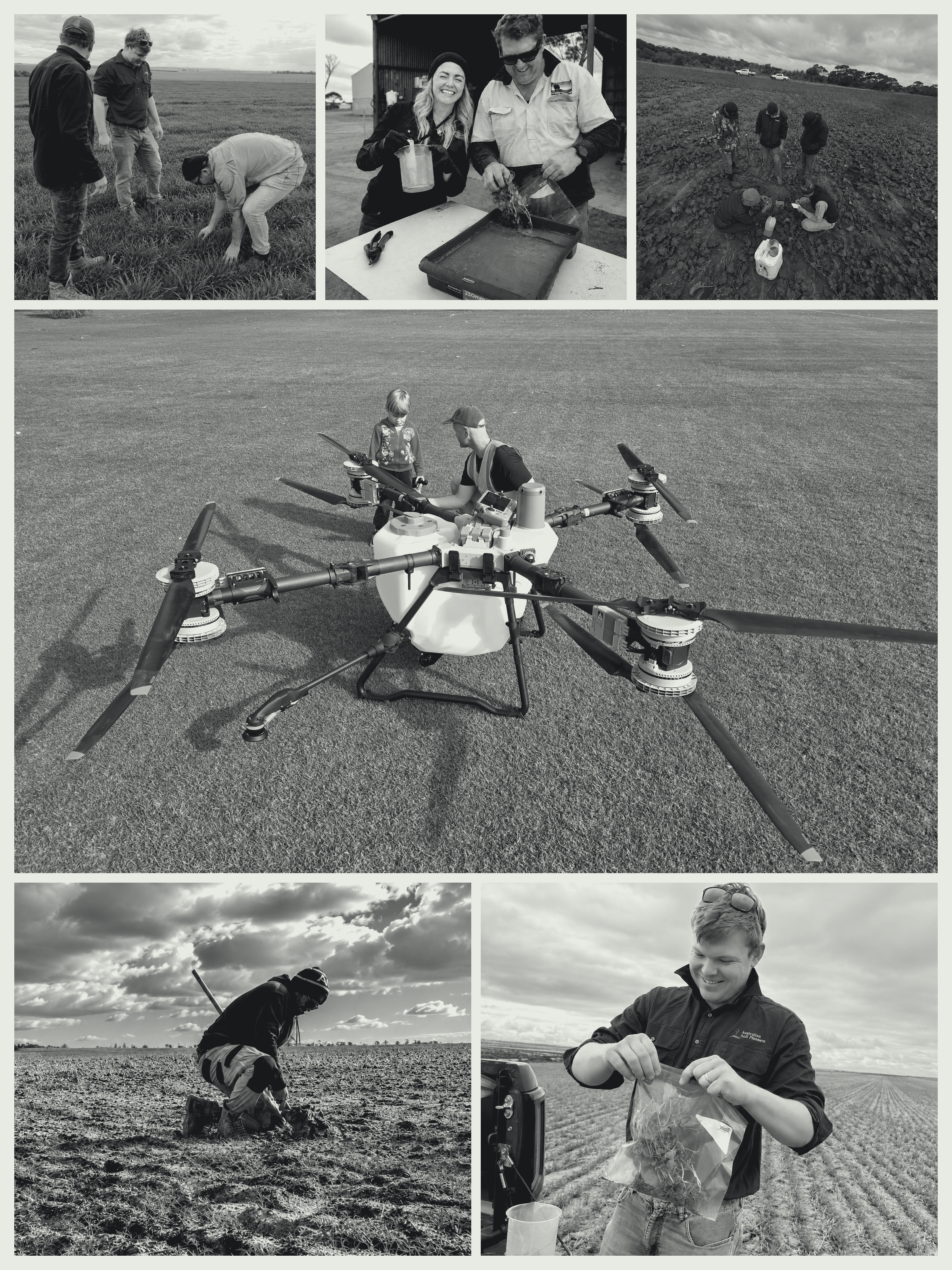
Below are some of the businesses we are doing work with currently.
Most of our work involves bringing together expertise that sits outside any one discipline.
If you'd like to work with us, get in touch. The work that matters usually needs more than one set of hands.


Want to know what your farm can really do?
Email us, send a text, or use the contact form to start the conversation.
If we're not the right fit for what you need, we'll say so.