
 Image 1 of 1
Magnesic soils carry more exchangeable magnesium than calcium, and they usually come with high pH. In Australia that mostly means the alkaline clays of the northern QLD grains region and the calcareous soils of the southern low-rainfall zone.
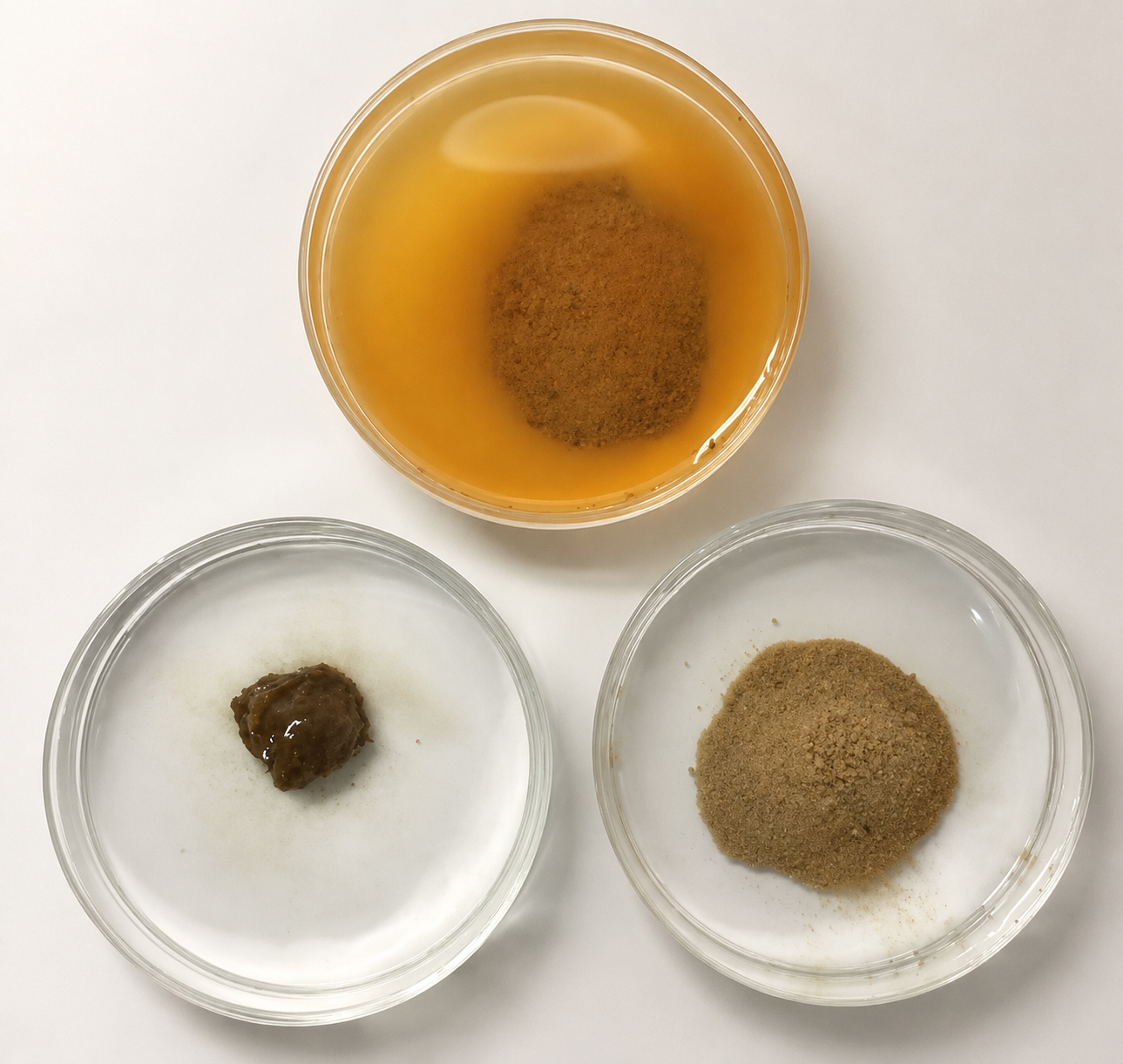
Calcium binds clay particles more effectively than magnesium. As magnesium takes over the exchange sites, aggregates hold together less well, the soil disperses when it wets up, drains slowly and sets hard as it dries. Sodium does far more damage than magnesium, and where magnesium is causing structural problems there is usually sodium in the profile as well, so we read calcium, magnesium and sodium together with the salt concentration in solution rather than reacting to a magnesium figure on its own. We don't work to a target Ca:Mg ratio. That approach has been tested against yield, and it doesn't hold up.
High pH stacks more problems on top. Above pH 8, phosphorus gets locked up and zinc, manganese and copper become harder for the crop to access. Above pH 9 aluminium returns to solution in a different chemical form and starts limiting roots again, which surprises people who associate aluminium with acid soils. Salinity and chloride commonly sit in the same profiles.
Organic matter is the part that gets overlooked. It coats aggregates and binds clay in a way that resists dispersion, so a magnesic soil with reasonable organic carbon behaves considerably better than one without. The difficulty is that these soils work against building it. Magnesium is less effective than calcium at holding organic matter onto mineral surfaces, aggregate breakdown releases carbon that was previously protected, and above pH 8.5 organic carbon shifts into dissolved form where it's readily lost. So the paddocks that would benefit most from organic matter are the ones that hold it least well, which is worth knowing before anyone commits to a carbon-building program on this country.
Lime does nothing at these pH levels, and gypsum is the usual starting point rather than the answer. But, what matters more is whether the constraint is treatable at a sensible cost on that paddock. That depends on how deep it sits, whether there is enough drainage to move displaced salt out of the root zone, and how the paddock is currently yielding. We work that out from pH and cations by depth, salinity, chloride, and a dispersion test in addition to what the the lab tests say, then have the economic conversation before recommending a fix.
Magnesic soils carry more exchangeable magnesium than calcium, and they usually come with high pH. In Australia that mostly means the alkaline clays of the northern QLD grains region and the calcareous soils of the southern low-rainfall zone.
Calcium binds clay particles more effectively than magnesium. As magnesium takes over the exchange sites, aggregates hold together less well, the soil disperses when it wets up, drains slowly and sets hard as it dries. Sodium does far more damage than magnesium, and where magnesium is causing structural problems there is usually sodium in the profile as well, so we read calcium, magnesium and sodium together with the salt concentration in solution rather than reacting to a magnesium figure on its own. We don't work to a target Ca:Mg ratio. That approach has been tested against yield, and it doesn't hold up.
High pH stacks more problems on top. Above pH 8, phosphorus gets locked up and zinc, manganese and copper become harder for the crop to access. Above pH 9 aluminium returns to solution in a different chemical form and starts limiting roots again, which surprises people who associate aluminium with acid soils. Salinity and chloride commonly sit in the same profiles.
Organic matter is the part that gets overlooked. It coats aggregates and binds clay in a way that resists dispersion, so a magnesic soil with reasonable organic carbon behaves considerably better than one without. The difficulty is that these soils work against building it. Magnesium is less effective than calcium at holding organic matter onto mineral surfaces, aggregate breakdown releases carbon that was previously protected, and above pH 8.5 organic carbon shifts into dissolved form where it's readily lost. So the paddocks that would benefit most from organic matter are the ones that hold it least well, which is worth knowing before anyone commits to a carbon-building program on this country.
Lime does nothing at these pH levels, and gypsum is the usual starting point rather than the answer. But, what matters more is whether the constraint is treatable at a sensible cost on that paddock. That depends on how deep it sits, whether there is enough drainage to move displaced salt out of the root zone, and how the paddock is currently yielding. We work that out from pH and cations by depth, salinity, chloride, and a dispersion test in addition to what the the lab tests say, then have the economic conversation before recommending a fix.